/JLS%C2%AE_MasterLogo_Navy.png)
Robotic tray case packing for sealed trays
Tray formats change.
Osprey TL keeps the pace predictable.

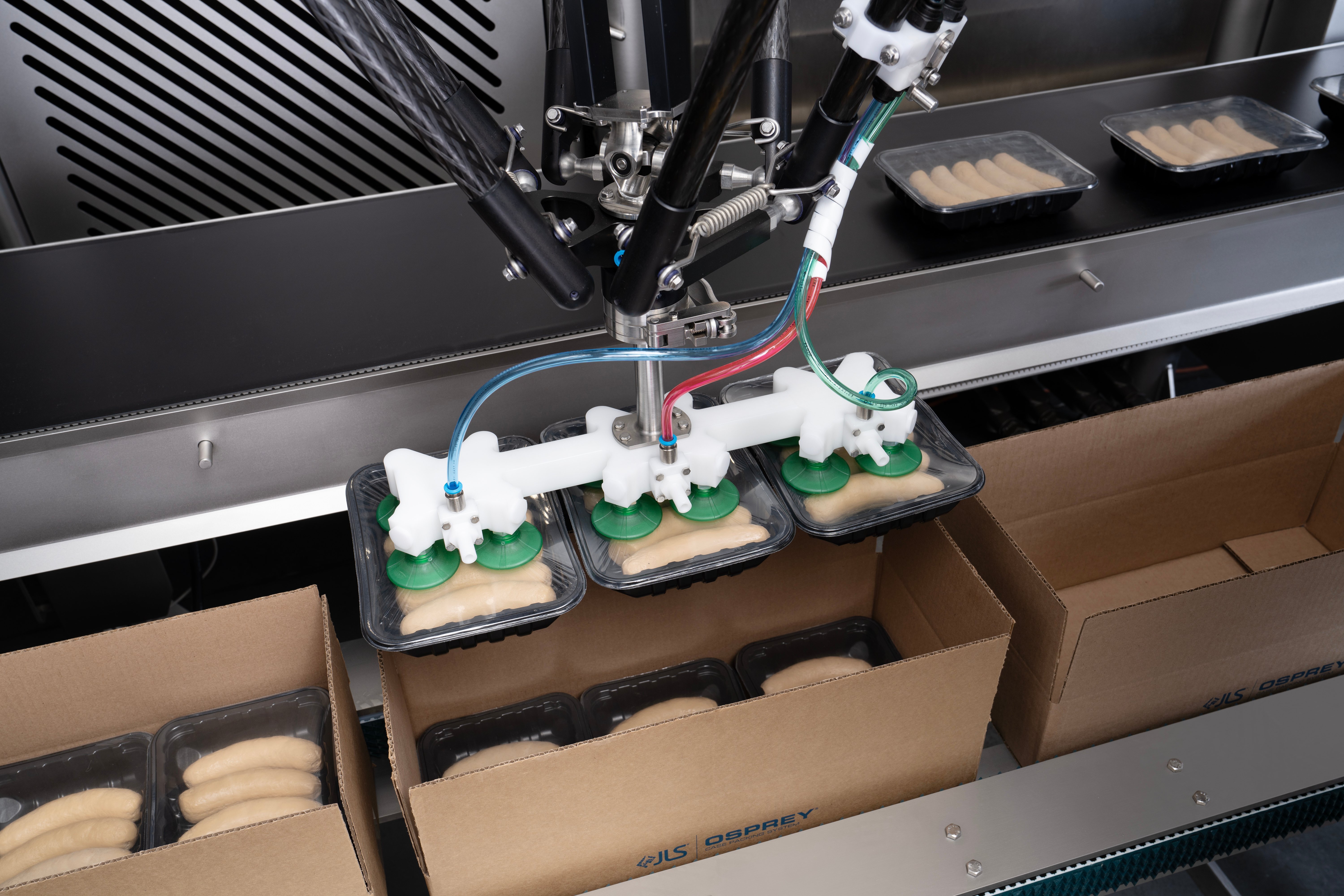
The JLS Osprey TL is a vision-guided robotic tray loader that picks and places sealed food trays into cases at up to 180 trays per minute in a Tri Head (three-head) configuration, application-dependent. It handles rigid and semi-rigid sealed trays — MAP, VSP, foam, sleeved, lidded, and HMR/prepared-food — with custom VOB 2.0 vacuum tooling, cleanable stainless steel construction, and application-matched 2D or 3D vision, engineered, built, and programmed by JLS in York, PA. Unsupported flexible packages, such as pouches and bags, are a fit for the Osprey BP.
* IP69K refers to the ingress-protection rating of selected components (robots, motors, enclosures) specified for an application — not a rating of the complete machine.
In action
Watch it acquire, pick, and place —
at full production speed.
 Live Production Line
Osprey TL — robotic tray loading system
The Osprey TL picks and places trays into cases at full production speed. Vision-guided delta robots track, acquire, and place with consistent precision.
Why Osprey TL
Built to match thermoformer speed — without a line rebuild.
When manual case packing cannot keep pace with your thermoformer or tray sealer, finished trays accumulate and the line loses capacity. That gap compounds every shift — wasted capacity you are already paying for. The Osprey TL closes it by synchronizing vision-guided robotic picking with product-specific VOB tooling and automatic case management.
Tray out. Case full. Every cycle. Every Osprey TL is configured around your tray format, your sealer, and your target rate — so the most labor-intensive step on the line becomes one of the most consistent.
Applications & Package types
The Osprey TL — robotic tray loading.
A vision-guided robotic case packing system that automates your tray loading process — 24/7 — with cleanable stainless steel construction matched to your plant’s sanitation program. The Osprey TL loads rigid and semi-rigid sealed trays — MAP, sleeved, VSP, lidded, foam, and HMR/prepared food — at high speeds using custom VOB 2.0 food-safe end-of-arm tooling configured to securely grip your exact product. Application-matched 2D or 3D vision detects each tray’s position — and orientation where needed — for precise, consistent acquisition. Single Head, Dual Head, or Tri Head delta robot configurations. Compact footprint. Easy to operate.
Industries served
Compatible tray formats
Test before you commit
See the Osprey TL load your
trays before you commit.
JLS Flight Lab puts your tray application on real JLS robotics in York, PA. Send product samples — or a close proxy, subject to project scope and availability — and JLS application engineers test tooling, pick method, and pack pattern so feasibility is established before the design is finalized. Rate and performance are validated during FAT on your system, with final confirmation at commissioning where upstream conditions can’t be simulated.
Core Technology
The engineering behind the precision.
Each Osprey TL system is engineered, assembled, and programmed under one roof in York, PA — from cleanable frame engineering to JLS-engineered VOB tooling to easy-to-operate controls programming, integrating commercially available robot and controls components. JLS holds multiple patents across its food-handling portfolio — and these are the innovations behind the Osprey TL: application engineering, configured tooling, and a project FAT that validates rate and performance before the system ships.

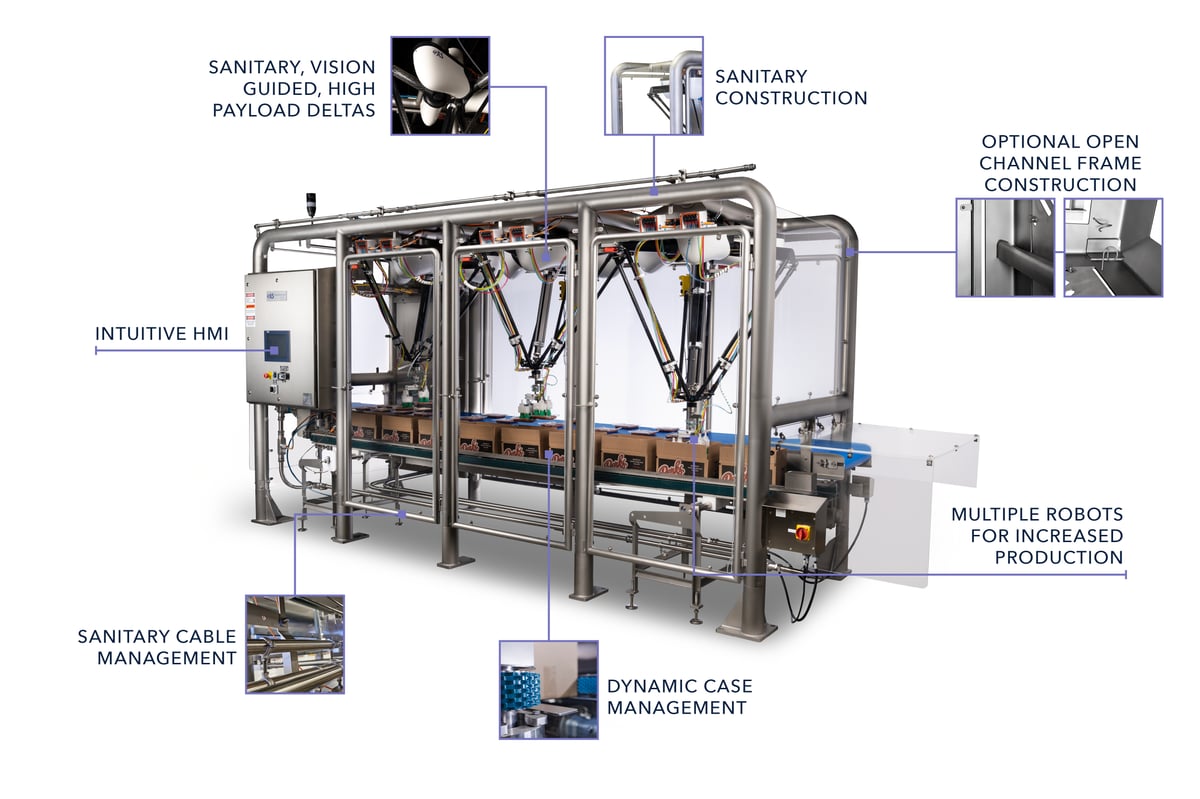
Cleanable construction, higher-sanitation options
Round-tube stainless steel frame (open-channel available as an option), sloped surfaces, open cable channels, and NEMA 4X-rated control enclosures — cleanable construction as standard, with a washdown configuration and IP69K*-rated components available where the application requires it. Built for the food zone from day one. Not retrofitted.

Vision-guided delta robotics
Application-matched 2D or 3D vision tracks each tray's position — and orientation where the application needs it — on the infeed in real time — directing the delta robots to pick and place trays into the case accurately at production speed, within the engineered presentation window.

Flexible tooling — mechanical or VOB 2.0
Mechanical or JLS-engineered VOB 2.0 Vacuum On Board tooling is configured to your tray format, including wet or cold packages. The VOB 2.0 airflow design was optimized using computational fluid dynamics (CFD) through a partnership with Penn State. Every tool is configured for your product, with feasibility testing in JLS Flight Lab where project scope allows.

Recipe-driven changeover
Select the new recipe on the HMI and complete the application-specific changeover steps, which may include tooling, conveyor-width, or guide adjustments — where the application allows, end-of-arm tooling can be designed for tool-free change. Every purchased, validated SKU is loaded before the system ships; changeover time depends on the application and which components change.

Multi-head scaling
Match throughput to your line — Single Head, Dual Head, or Tri Head configurations share the same platform and controls, with head count selected during system design. Actual rates also depend on tray size, weight, presentation, and case pattern.

Operator HMI & in-house controls programming
Touchscreen interface designed for plant-floor operators — normal production operation and recipe selection don’t require an engineer or robot-programming expertise, while trained maintenance staff handle troubleshooting and upkeep. JLS controls engineers program and integrate the system in York, PA, on the B&R controls platform with commercially available robots. After installation, JLS’s in-house support team works directly with the engineers who designed and programmed your system.
Options & Add-Ons
More ways to fit your line.

Stacking, grouping & shingling
The Osprey TL handles multiple tray formats within a single system — MAP, VSP, foam, sleeved, lidded, and HMR trays — using format-specific VOB 2.0 tooling. Vision-guided placement keeps orientation consistent tray after tray, so what reaches the case is already arranged the way it ships.
Patterns are part of the product recipe — counts and arrangements are selected on the HMI alongside changeover, and whether tooling also changes depends on the pack pattern.
presentation
pack patterns
on the HMI


Tray sealer integration
Robotic case packing for the tray sealer already on your floor.
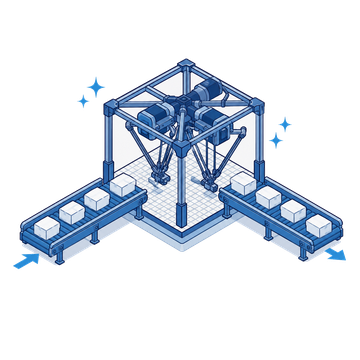
Already have a MAP or VSP tray sealer in place? The Osprey TL is engineered to receive sealed trays from your existing sealer and load them into cases.
Need the complete line? JLS and Reiser can deliver a fully integrated tray sealing and robotic loading system — with the sealer, robot, infeed, and product handling engineered as one coordinated solution from the start.
Application engineering & integration
Configured for your product.
Scalable across your line.
No two food plants run the same — but every Osprey TL ships from the same proven platform. Our application engineers tailor the tooling, vision system, and case format to your exact product and sealer — whether you are loading sausage trays, protein MAP packs, or HMR formats. One team, one facility, one integration.
Integrates with your sealer. Day one.
A vision-guided robotic case packer built to keep pace with thermoformer and tray sealer speed. The Osprey TL’s application-matched 2D or 3D vision detects tray position and orientation in real time, directing delta robots to acquire and place at up to 180 trays per minute in a Tri Head configuration, application-dependent. VOB 2.0 Vacuum on Board tooling is configured to your exact tray format, weight, and surface. Compact footprint. Easy to operate.
Specs & Configuration
Osprey TL technical specifications.
Configuration snapshot
The Osprey TL is not one fixed machine — it scales by robot-head configuration to match your target rate and footprint. Maximum rates run up to 80 trays per minute in a Single Head configuration, 140 with Dual Head, and 180 with Tri Head (three-head). Actual rates depend on tray size, weight, presentation, and case pattern, and head count is selected during system design to match your line speed and tray output.
*Estimated rates vary by product, tooling, and configuration. JLS confirms the right configuration for your product and target rate during a line assessment.
| Specification | Value |
|---|---|
| Estimated Throughput | Up to 80 / 140 / 180 trays/min (Single Head / Dual Head / Tri Head), application-dependent* |
| Robot Heads | Single Head, Dual Head, or Tri Head configurations |
| Robot Type | Delta-style 4-axis (Codian); IP69K*-rated robot available per application |
| End-of-Arm Tooling | Mechanical or VOB 2.0 vacuum tooling, single- or gang-pick, selected per product during system design |
| Product Size | Varies by tray format and product — confirmed during application review |
| Loading Styles | Single, stacked, or shingled trays — into cases, cardboard inserts, or retail-ready formats |
| Vision System | JLS EyeQ application-matched 2D or 3D product acquisition with conveyor tracking |
| Control System | B&R Automation |
| Construction Level | Cleanable construction; washdown configuration available |
| Sanitation | IP69K*-rated components specified per application; NEMA 4X-rated control enclosures |
| Frame Construction | Round-tube stainless steel frame (standard); open-channel frame available as an option |
| Estimated Footprint (excl. guards / infeed) | Varies by configuration — contact JLS for footprint sizing. |
| Electrical Supply | 480V ±10%, 3-phase, 60Hz |
| Air Supply | 80 PSI, clean, dry, lube-free |
| Electrical Enclosures | NEMA 4X rated; UL/cUL listed |
| Reliability | Factory acceptance tested (FAT) before shipment; where upstream rates can’t be simulated at FAT, final rate validation is completed at commissioning |
| Lead Time | Target delivery established at proposal |
*Estimated rates vary by product, tooling, and configuration. Specifications may vary by configuration — contact JLS for your specific application.
Where should we send it?
By submitting, you agree that JLS Automation and Robert Reiser & Co. may contact you about your inquiry.
Osprey TL vs. manual tray packing.
| Feature | Manual packing | Osprey TL |
|---|---|---|
| Throughput | ~30 trays/min per person | Up to 80 / 140 / 180 trays/min (Single / Dual / Tri Head)* |
| Matches thermoformer speed | Falls behind, line bottleneck | Designed to match sealer speed |
| Vision-guided tray acquisition | Manual orientation | Application-matched 2D or 3D vision |
| Labor required | 2–4 packers/line | Automates repetitive case-loading tasks |
Based on typical tray loading installations. *Estimated rates vary by tray format, tooling, and configuration.
More automation insights.
Engineering guides, application deep-dives, and ROI analysis for food manufacturers evaluating food packaging automation.
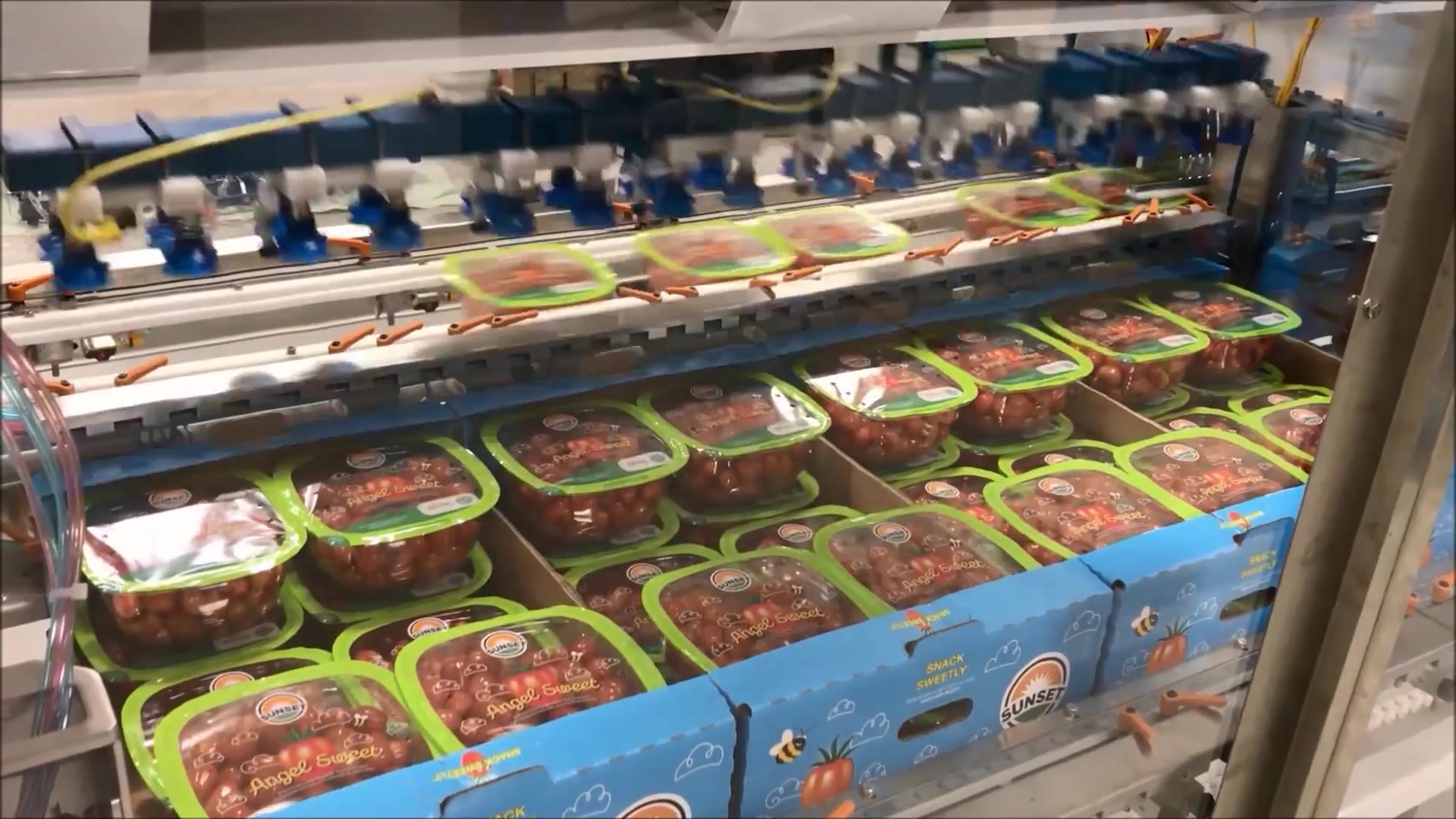
When Is It Time to Upgrade to Pack-Out Automation?
It is usually time when the pack-out station has become the thing limiting the line — not when the labor cost gets annoying. The c…
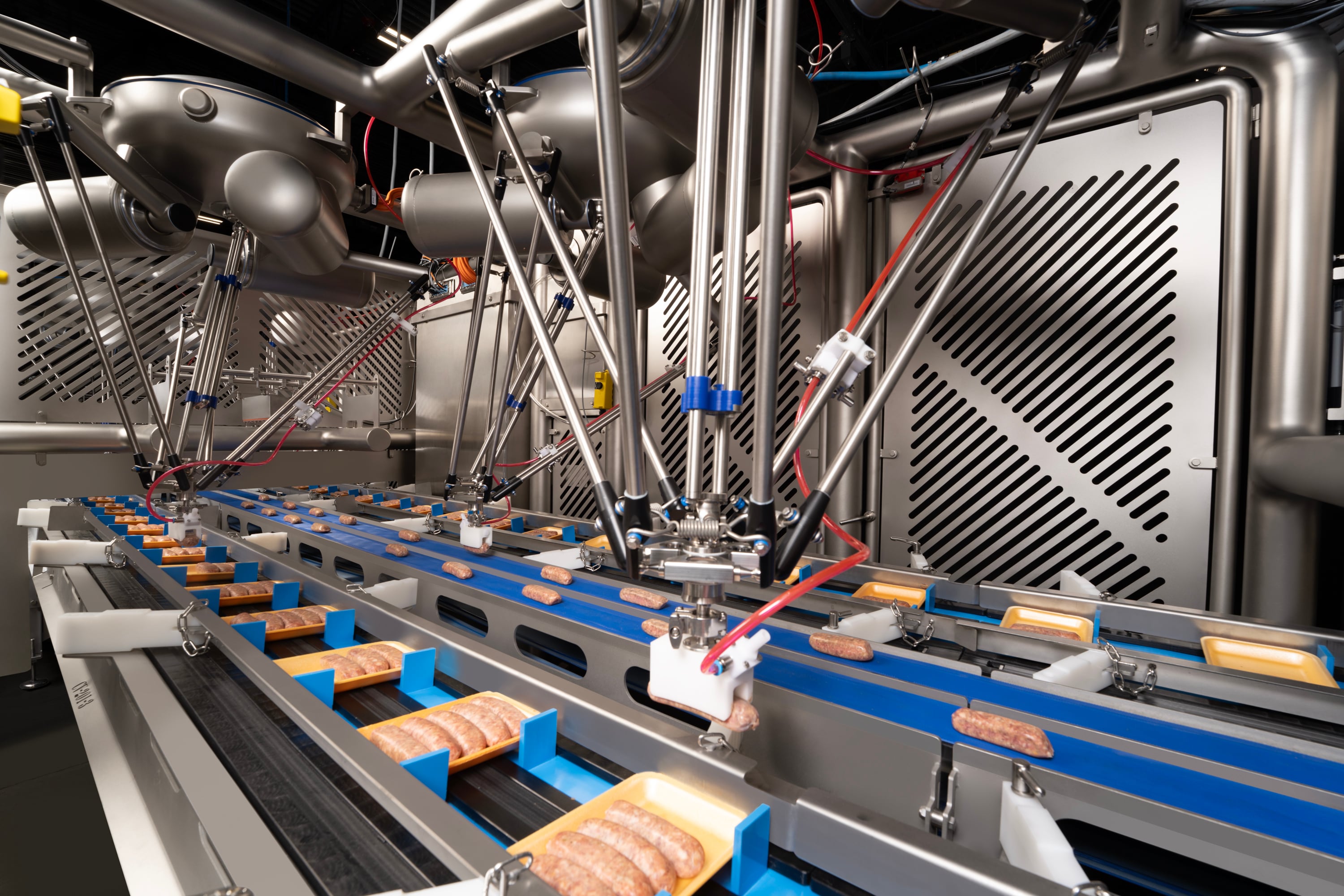
How to Evaluate Packaging Automation Vendors on ROI and Uptime
Evaluate vendors on their assumptions, not their numbers. Any supplier can produce a favorable payback figure by choosing a genero…
What Hygiene Design Features Matter for Fresh Meat Packaging Machines?
For fresh meat, the hygiene features that matter most are the ones that decide whether a machine can be cleaned quickly and comple…
* IP69K refers to the ingress-protection rating of selected components (robots, motors, enclosures) specified for an application — not a rating of the complete machine.